<< Back
13 Everyday Foods That Can Spike Your Blood Sugar
April 27, 2026
Candy and dessert get a bad rap when it comes to diabetes, but they aren’t the only foods that can spike your blood sugar. In fact, some everyday foods can send your numbers climbing quickly, especially if they’re missing certain nutrients.
“Many foods can raise your blood sugar quickly if they’re low in protein or fiber,” says Anies Jacob, APRN, a primary care provider with Hartford HealthCare Medical Group. “That’s because your body breaks them down faster.”
But you don’t have to cut them out completely. The key is knowing which foods are more likely to spike your blood sugar, and what to pair with them to help keep things steady.
1. White bread
White bread is made with refined flour, which means it has less fiber than whole grain bread.
“Fiber helps slow down digestion,” says Jacob. “Without it, blood sugar can rise faster.”
That doesn’t mean white bread is off the table. But if you’re having toast or making a sandwich, try pairing it with something that adds protein, fiber or healthy fat.
Eggs, turkey, peanut butter or avocado can help slow the spike and make the meal more filling. You can also swap in whole grain bread when you can, which adds more fiber from the start.
> Related: Can a Smartwatch Monitor My Blood Sugar?
2. Sugary coffee drinks
A flavored coffee can feel like a quick pick-me-up, or even a replacement for breakfast. But depending on what you order, it may come with a lot of added sugar.
“Some coffee drinks have as much sugar as dessert,” says Jacob.
That sugar can hit your bloodstream quickly, especially if you’re drinking it on an empty stomach. And because many coffee drinks don’t have much protein or fiber, there isn’t much to slow digestion down.
If you like sweet coffee, try cutting back on the syrup, choosing a smaller size or asking for less sweetener. And if it’s part of your morning routine, pair it with a breakfast that has protein, like eggs, Greek yogurt or cottage cheese.
> Related: Does Kombucha Lower Blood Sugar?
3. Fruit juice
Juice may seem like a healthy choice, especially because it comes from fruit. But it affects your blood sugar differently than whole fruit.
“When fruit is turned into juice, it loses much of the fiber that helps slow sugar absorption,” Jacob says.
That means your body may absorb the sugar more quickly. Plus, it’s easy to drink several servings of fruit in one glass without realizing it.
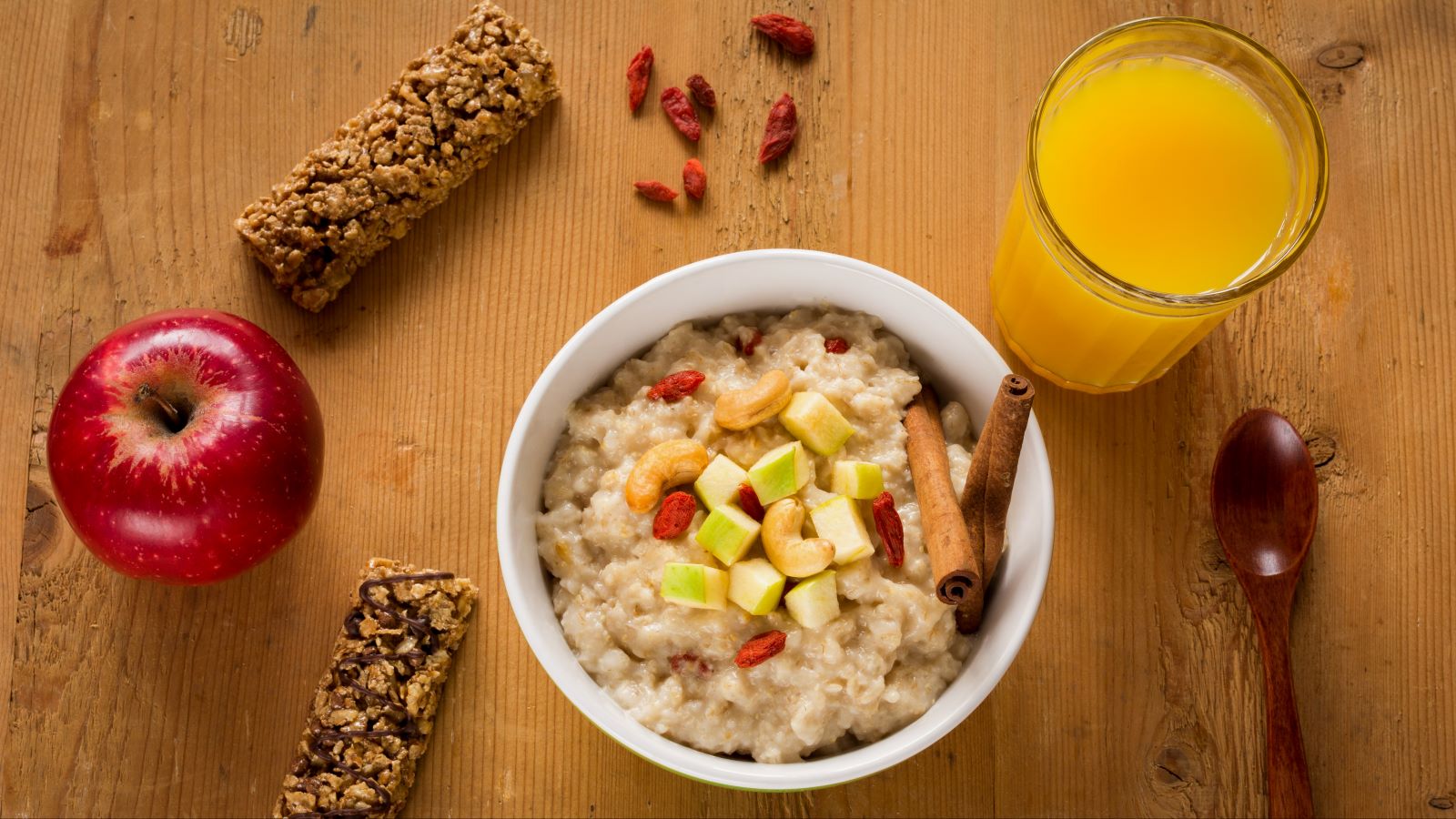
Eating an orange, apple or handful of berries is usually a better choice than drinking juice because whole fruit gives you fiber, volume and more staying power. If you do have juice, keep the portion small and try drinking it with a balanced meal.
> Related: These 3 Drinks Help Keep Your Blood Sugar Balanced
4. White rice
White rice is a common side dish, but it can raise blood sugar quickly when eaten by itself.
“It’s broken down faster than higher-fiber grains,” Jacob says.
You can make white rice more balanced by pairing it with chicken, fish, tofu, beans or vegetables. Those additions bring in protein, fiber and healthy nutrients, which can help slow the rise in blood sugar. You can also try mixing white rice with brown rice, quinoa or cauliflower rice to add more fiber without giving it up completely.
> Related: 7 Foods That Won’t Spike Your Blood Sugar
5. Breakfast cereal
Cereal is easy and convenient. But many are low in protein and fiber, and high in added sugar.
“Even cereals that seem healthy can lead to a blood sugar spike,” Jacob says.
Look for cereal with more fiber and less added sugar. And instead of eating it on its own, try pairing it with Greek yogurt, milk, nuts or seeds to add protein and healthy fat. That can make your bowl more filling and help keep your blood sugar steadier.
> Related: This Sweetener May Help Lower Blood Sugar and Cholesterol Levels
6. Granola bars
Granola bars are often sold as healthy snacks, but many are packed with sugar.
“Some granola bars are closer to a candy bar than a balanced snack,” Jacob says.
They may also be low in protein and fiber, which means they won’t keep you full for long. That can leave you hungry again soon after, and your blood sugar may rise and fall quickly.
If you like granola bars, look for options with higher protein, more fiber and less added sugar. Or try a more balanced snack, like an apple with peanut butter, cheese with whole grain crackers or Greek yogurt with berries.
7. Dried fruit
Dried fruit still has nutrients, but the sugar is packed into a much smaller serving.
“It’s easy to eat more than you realize,” Jacob says.
That doesn’t mean dried fruit is off limits. A small amount can work as part of a snack, especially if you pair it with nuts for protein and fat. Just watch the portion size, and check the label for added sugar when you can.
> Related: 6 Foods to Avoid If You Have Diabetes
8. Flavored yogurt
Yogurt can be a healthy choice, but flavored versions often have a lot of added sugar.
“People see yogurt as healthy, and it can be,” Jacob says. “But flavored yogurt may raise blood sugar more than plain yogurt.”
Plain Greek yogurt is often a better option because it has more protein and usually less sugar. If you want sweetness, add your own fruit, cinnamon or a small drizzle of honey so you have more control over what goes in.
> Related: 10 Dietitian-Approved Snacks for Diabetes
9. Pasta
Pasta can raise blood sugar, especially when the portion is large.
“Traditional pasta is a refined carbohydrate, so it turns into glucose fairly quickly,” Jacob says.
Try pairing pasta with chicken, turkey meatballs, beans, lentils or vegetables to add protein and fiber. You can also choose whole wheat pasta, chickpea pasta or lentil pasta for more fiber and protein. And instead of making pasta the whole meal, let it share the plate with a protein and non-starchy vegetables.
> Related: Is Pasta Healthy for You?
10. Crackers
Crackers may seem small, but they can still cause a spike.
“They’re often made with refined flour and don’t have much protein or fiber,” Jacob says.
If you’re eating crackers, try having them with cheese, hummus, tuna, peanut butter or turkey to make the snack more balanced. You can also look for whole grain crackers with more fiber.
> Related: This One Simple Grocery Rule Instantly Makes Your Cart Healthier
11. Sports drinks
Sports drinks are meant for long or intense workouts, not everyday hydration.
“If you’re not doing heavy exercise, that extra sugar may not be necessary,” Jacob says.
For most people, water is the better choice. That’s especially true if you’re sipping a sports drink at your desk, in the car or with a regular meal.
If you like the flavor, try adding fruit, cucumber or mint to water. And if you do need electrolytes after intense exercise or heavy sweating, look for lower-sugar options when possible.
> Related: This Is What Dehydration Actually Looks Like
12. Instant oatmeal
Oatmeal sounds like a healthy breakfast — and it can be. But instant oatmeal is more processed than steel-cut or old-fashioned oats.
“The more processed a grain is, the faster it can affect blood sugar,” Jacob says.
Old-fashioned or steel-cut oats are usually better choices because they digest more slowly. Adding nuts, chia seeds, nut butter or Greek yogurt can also help make oatmeal more filling and balanced.
> Related: Why Oatmeal Should Be Your Breakfast Staple
13. Potatoes
Potatoes are not unhealthy, but they are a starchy food that can raise blood sugar.
“Portion size and preparation matters,” Jacob says.
A baked potato with chicken and vegetables will affect blood sugar differently than fries on their own. That’s because the protein and fiber in the meal help slow digestion and make it more balanced.
So instead of avoiding potatoes completely, think about how you’re eating them. Keep portions reasonable, leave the skin on for extra fiber and pair them with protein and non-starchy vegetables when you can.
> Related: 3 Reasons to Eat More Sweet Potatoes
Small changes make a big difference
Foods that spike your blood sugar aren’t necessarily foods you need to avoid forever.
“It’s often more about balance than cutting foods out completely,” Jacob says. “Adding protein, fiber or healthy fat can help slow the rise in blood sugar.”
In many cases, the goal isn’t to give up your favorite food. It’s to build meals and snacks that work better for your body.